Firefox Accounts Ecosystem

Integrated over a dozen teams’ services of all form factors, like VR, with the account system.

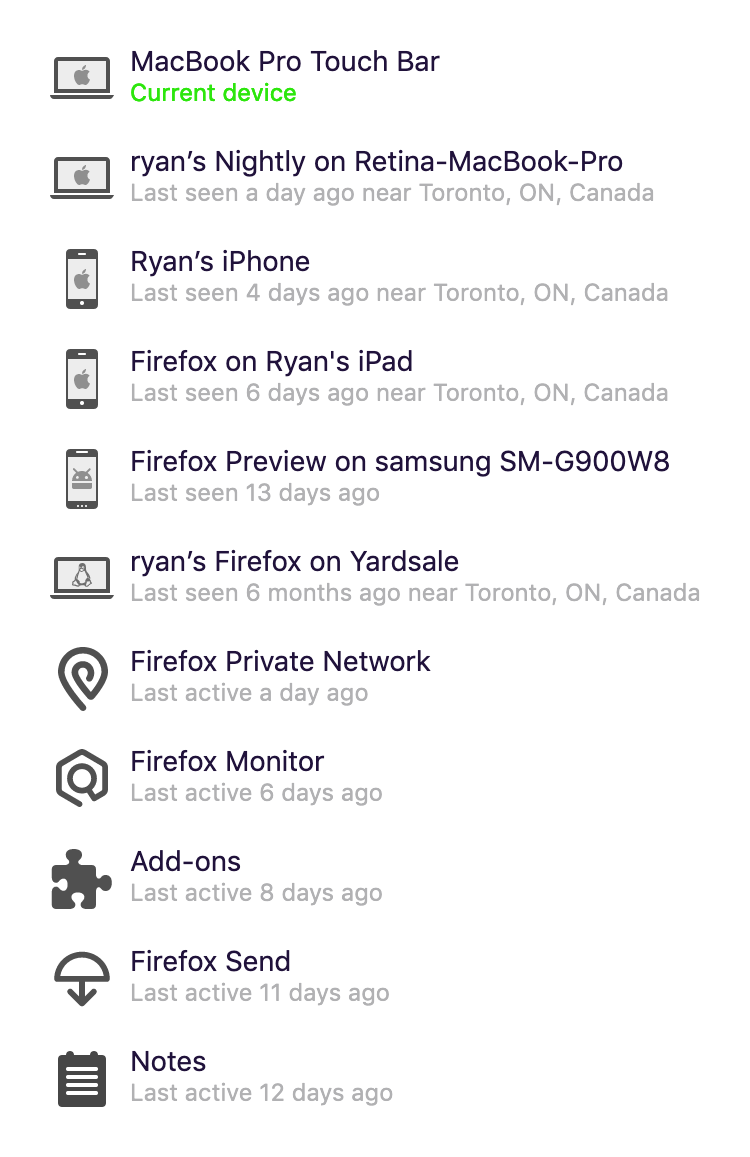
Soon after we created the Firefox Account system, we began connecting new and existing Firefox services. This included websites, but also browser add-ons, mobile apps and even the short-lived Firefox OS.

My Role

Senior Product Designer

Teammates

Design Engineer, PMs, EMs, PMMs, dozens of teammates in every time zone

Challenges

  • Herding cats
  • All form factors
  • Lack of standards
  • Multiple time zones
  • Locally synced encrypted data

Methods

  • User Flow Diagrams
  • Wireframes
  • Prototypes
  • User Testing
  • Data Science

The problem and how it was solved

Firefox is most known as a web browser, and Chrome’s rise was due largely in part to their perceived (and serendipitous) compatibilities with Google properties like Search, Docs, YouTube, etc.

In order to lean into its reputation for user privacy, Mozilla began building out an ecosystem of services that integrated natively with Firefox. I was asked to integrate these into the account system, and into the browsers’ native interfaces. This involved deep discussions with the product and engineering teams, as well as coordination with the principal designers of the browsers. My process typically begins with detailed user flow diagrams, and thanks to a robust design library, I was able to move directly into designing browser and account system interfaces.
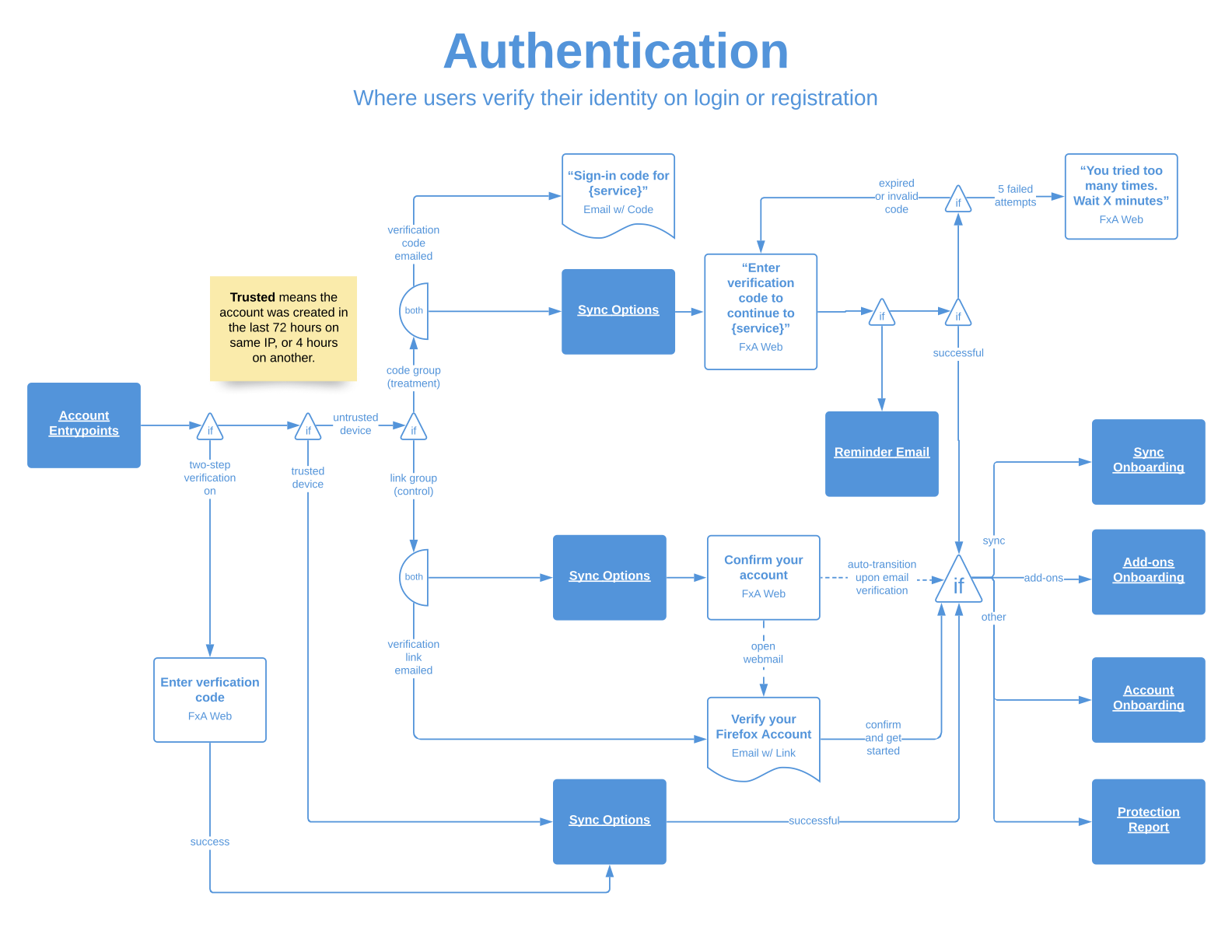
Firefox Accounts Ecosystem
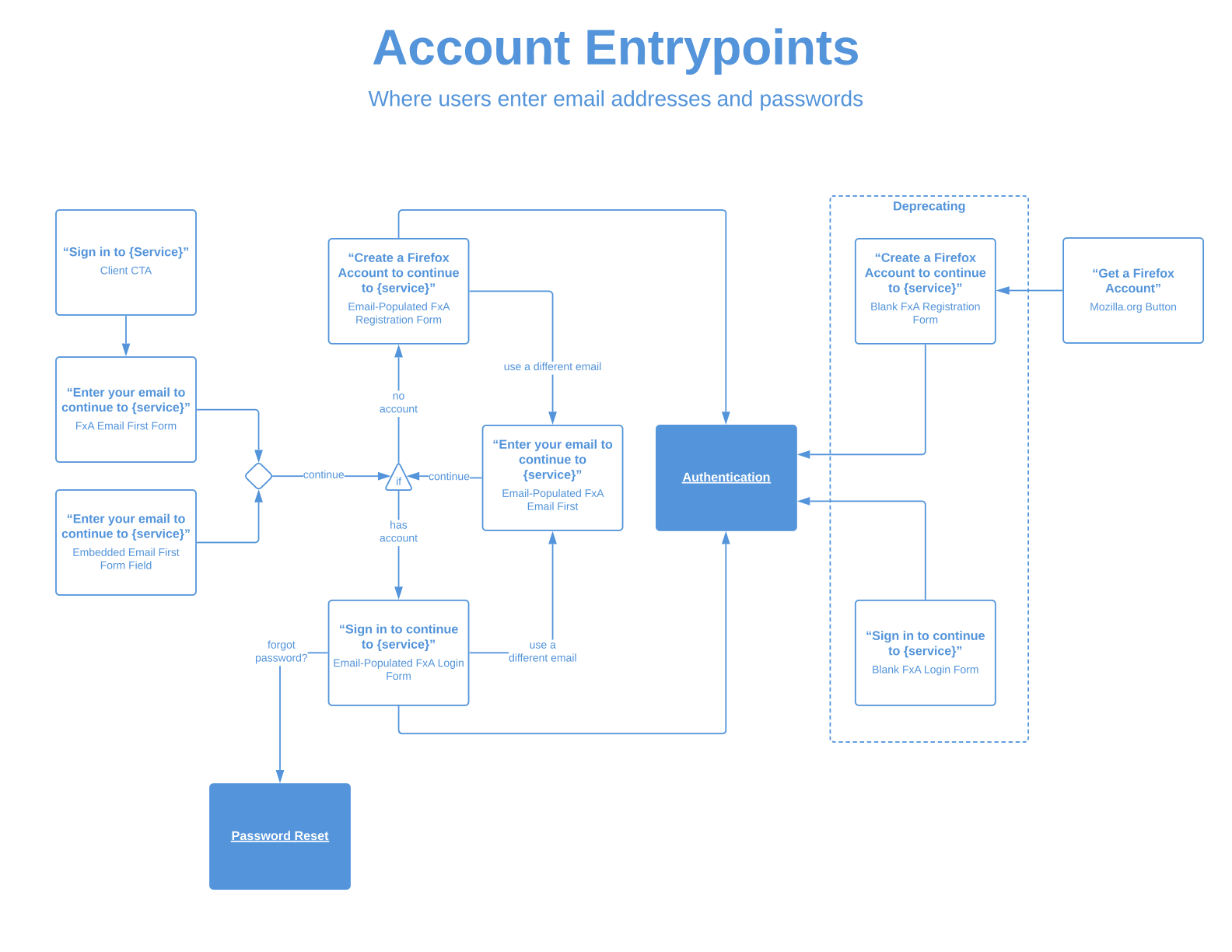
User flow diagrams created with various parties relying on the account system for authentication
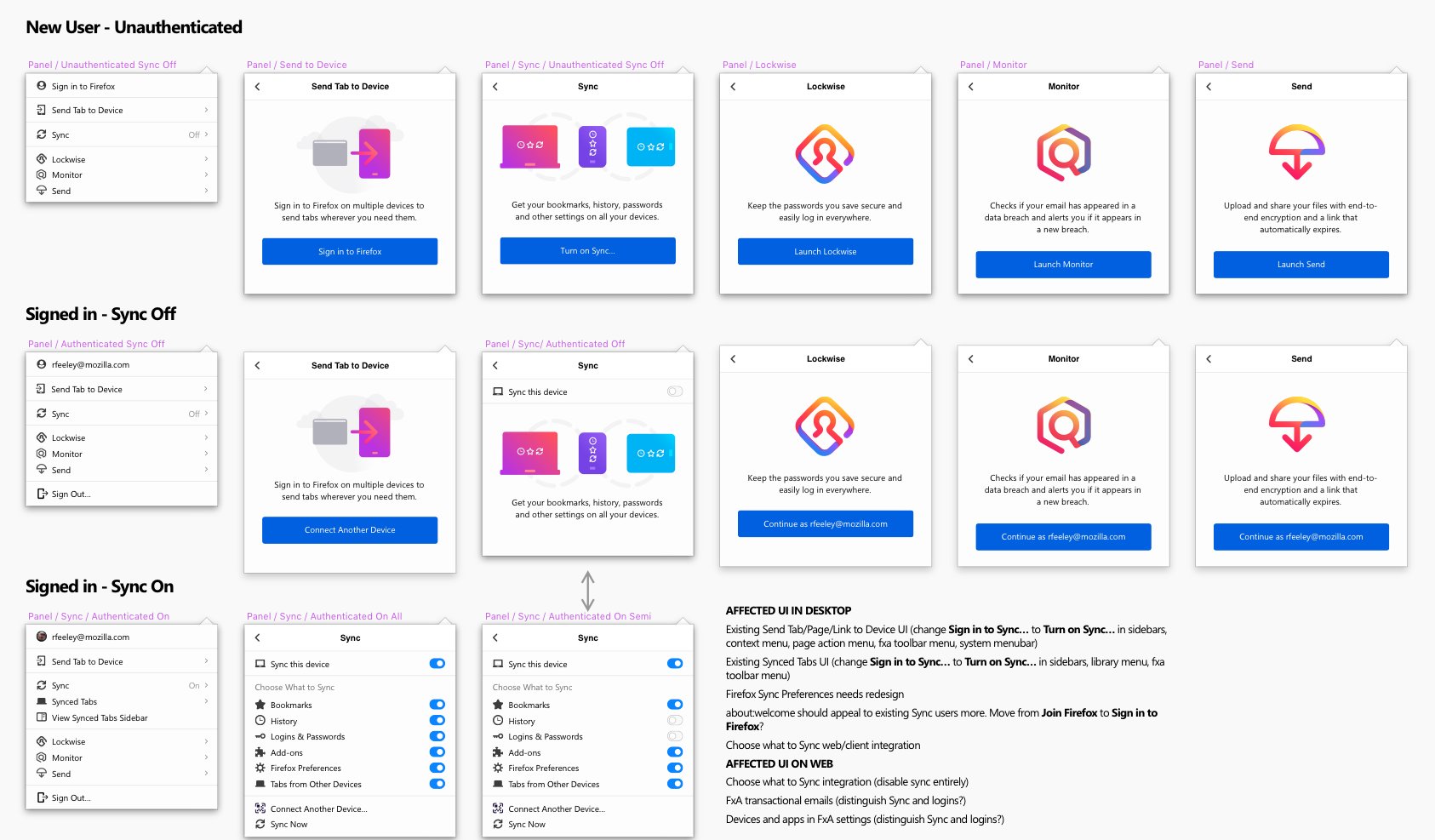
Early designs for increasing adoption of services in the Firefox browser
An excerpt of the early designs. Once more services joined the ecosystem, I designed the experience for increasing adoption of these services right in the Firefox browser, carefully considering the user’s authentication state.

Allowing for flexibility

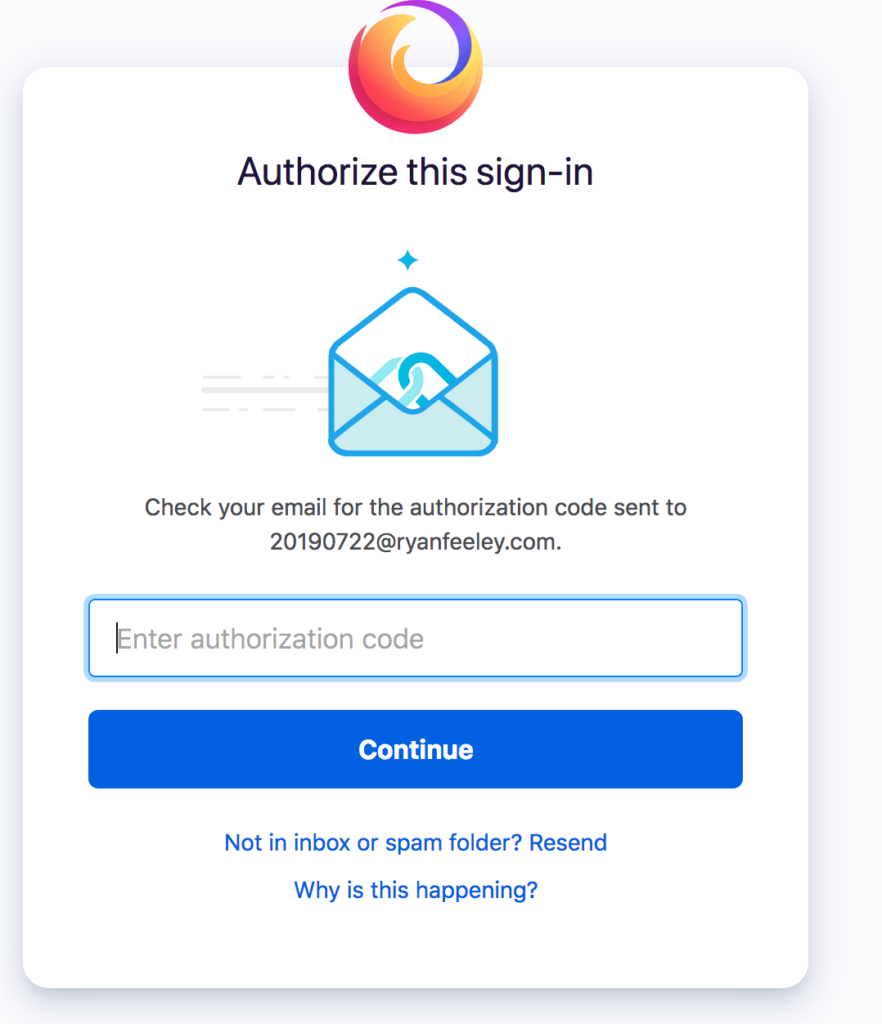
Supporting simple web properties was easy, but some relying parties like browsers or VR headsets were more complicated. We need to work with various teams to ensure the system worked for them, including security features.

Firefox Accounts Ecosystem
Some relying parties required additional authentication steps, while others could allow authenticated users in more quickly.

Research Findings

The most powerful learning was that there is no intrinsic value in having a Firefox Account. Users may have affinity for Firefox, but ultimately an account is begrudgingly created in an exchange of value. When there was a powerful value proposition, like Sync, users would create an account. When brand affinity was foregrounded, or account requirements were implied, users would respond by skipping, or worse, inputting bad data.

Impact

Grew the userbase from zero to 20M MAU and enabled the future of Firefox connected applications, now including paid offerings.

← Back to all work